

Top 15 Reasons to Visit Ladakh: Best Places, Beauty & Travel Guide
When we think about the beauty of Ladakh, the image of snow capped mesmerising mountains, clear blue skies, barren mountainsides, sprawling meadows, meandering rivers, and vibrant festivals, comes to mind. The land of high passes offers a heavenly experience to many. Be it some of the most adrenaline pumping treks, trail of rugged mountains, or rustic heritage sites. Nature lovers can’t have enough of unique flora and fauna. But, it is the unmatched beauty which is no doubt one of the top reasons to visit Ladakh.
Here are the top 15 reasons that contribute to the beauty of Ladakh.
1. The Hypnotising View of Milky Way Galaxy
The beautiful valleys of Ladakh can make any amateur into a professional photographer, especially when it comes to night photography. One of the major reasons why photographers love this place is because it offers clear starry skies due owing to the zero pollution. If you’re not a shutterbug, you can simply have a gala time stargazing.
2. The Great Himalayas
One thing that sets Ladakh apart from other mountain destinations, is its close proximity to the Great Himalayas. Nestled between the magnificent Himalayan ranges, this place gives you a taste of hard yet peaceful mountain life.
So, if you’re bored of the hustle bustle of city life, you can come here to experience its serendipity.
3. Enchanting Desert of Nubra Valley
Unlike Rajasthan, the desert in Ladakh is a high altitude cold desert. With its origins from the ancient Tethys Sea, the valley has a certain mystery to it. The vast barrenness and two hump Bactrian camels give it a vibe of our very own Arabian Nights. Camel safari in Nubra Valley is one of the many amazing activities to do in Ladakh.
4. Tranquility of Tso Moriri
While Pangong Tso is more famous due to being featured in a movie, it’s Tso Moriri which figures out how to blow your mind with its peaceful magnificence. Located in the Changtang Wildlife Sanctuary at an elevation of 4595m, the lake offers calm and quiet to soothe your restless soul. The reflection of snow covered mountains drenched in the crystal clear waters of the lake will leave you wide eyed. Mesmerising views like this is what Ladakh is famous for. Towards the evening, you can also witness the changing tints of the lake along with the sky. It is advisable to keep your camera ready at all times to catch the truly amazing beauty of Ladakh.
5. Thrills of the Highest Motorable Road in the World
Located at the elevation of 5319m, KhardungLa Pass is noted for being the highest motorable pass all across the world. Famous among adventurers as well as regular tourists, it is a gateway to some of the most spellbinding and lesser known landscapes. It is also the route used to transport goods to the Siachen Glacier, hence it is maintained by the Border Roads Organisation.
6. Pangong Lake
The 3-Idiots famed lake is the place where magic happens in front of your eyes. The picturesque landscape consists of surreal blue waters surrounded by subtle mountain peaks in the far, and is sometimes visited by migratory birds – makes this place favourite among bird watchers, photographers, adventurers and tourists alike. You can also camp at night around the lake.
7. Royalty of Leh Palace
An Archaeological Survey of India controlled site, the Leh Palace is by far the most visited tourist attraction in Ladakh. This 17th century structure built by Namgyal King is 9 stories high offering the unparalleled views of Zanskar, Stok, Indus and some of the most beautiful valleys of Ladakh.
8. Serenity of Shanti Stupa
Built to promote world peace, this white dome structure is for-sure one of the best tourist places in Ladakh. It is the best place for introspection and find calm. The base of the stupa contains the relics of Buddha kept by the 14th Dalai Lama himself.
9. Confluence of Rivers
The Sangam Point is where the Zanskar River meets the Indus. What makes it worth watching is both the streams have different colours – Zanskar is all earthy colored with a delicate sloppy surface and Indus shows variable tones of greens.
It is located around NH1. If you are heading to Srinagar, you can visit the spot on the way.The whole scene of two rivers merging into one seems like a dream.
10. Habitat of Snow Leopards
Also known as the Snow Leopard capital of the world, Ladakh is the best spot to discover snow leopards. Usually seen in the Hemis National Park, the chances of spotting this white beauty are 50%. If you’re lucky, you can catch a glimpse of this mysterious beast chilling in its natural habitat. Let us know if you do!
11. Coldness of Drass Valley
The beautiful weather in Ladakh becomes unbearable when you reach the second coldest place of earth. The average temperature here remains -15 degree Celsius and -17 degrees in winters. Situated at a height of 3,300 meters or 10,800 on NH1, Drass is most prominently known for being the second coldest occupied spot on the planet, just after Serbia. And automatically the coldest spot in India. Drass is around 56 kilometers from Kargil and is frequently known as the “Doorway to Ladakh ”. This is the first town after Zoji La Pass. The inhabitants of Drass are mostly from the Dardic and Baltic Tribes-who are believed to have relocated to Ladakh from Central Asia.
12. Highest Post-Office in India
Famous among the tourists for picture postcards, the Leh Post Office is situated at an altitude of 3500 meters above sea level. This is the only post-office which work even in the unpredictable climatic conditions of the north; connecting loved ones. Hence, it is one of the most beautiful features of Ladakh.
13. Ancient Monasteries
The architectural heritage of Ladakh can be seen through some of the oldest monasteries in the region. Ladakh has a very deep influence of rich Buddhist culture which can be seen by numerous monasteries scattered like dots in the high-altitude desert. The Hemis Monastery is the largest monastery of Ladakh and is located on the western bank of Indus. It is famous for beautiful statues, exceptional murals, famous Hemis Festival and a 900-year-old museum. Thiksey Monastery is deemed to be the most beautiful monastery in the region. It is a fine example of Ladakhi architecture and houses a 40 foot Buddha Statue on a lotus. Alchi Monastery is the oldest Buddhist learning centre and some parts of Bollywood movies such as Dil Se and Tashan were shot here. There are a total of nineteen monasteries in Ladakh including Shey Monastery, Likir Monastery, Lamayuru Monastery, etc.
14. The Ongoing Festivities
The festivals of Ladakh are a great concoction of Buddhist rituals, masked dances, ancient ceremonies, and a lot of fun! The festivals are of most significance as they help to preserve the land’s culture and promote tourism. Festivals such as Losar, Hemis Tsechu and Diksit Gustor attract not just domestic but international tourists as well.
15. The Local Love You Get!
The people of Ladakh are known for being truthful, honest and patient. Most of the population follow Buddhism and believe in the feeling of love and non-violence. If you meet a Ladakhi, you will know the warmth they exude and how well they make you feel at home.
Beauty can be found at every nook and corner of Ladakh, but how soon are you willing to experience it yourself? Book your trip to Ladakh now!
Best Time to Visit Ladakh from India
The best time to visit Ladakh from India is from May to September. During this time, roads are open, lakes are accessible, and the weather is suitable for sightseeing.
Winter, from October to February, is best for snow lovers and snow leopard spotting, but it can be very cold.
How to Plan a Ladakh Trip
If you are wondering how to plan a Ladakh trip, start with your travel style.
For a relaxed trip, take a flight to Leh and spend the first day acclimatising. For adventure, plan a road trip from Manali or Srinagar. For bikers, a Ladakh bike trip from Delhi is one of India’s most iconic journeys.
A basic Ladakh trip itinerary for 7 days can include:
Day 1: Arrival in Leh and rest
Day 2: Leh local sightseeing
Day 3: Nubra Valley
Day 4: Pangong Lake
Day 5: Return to Leh
Day 6: Tso Moriri or monasteries
Day 7: Departure
Important Things to Do in Ladakh
Some of the best things to do in Ladakh include:
- Camping near Pangong Lake
- Riding through Khardung La Pass
- Visiting Shanti Stupa Leh
- Exploring Nubra Valley Ladakh
- Watching the river confluence at Sangam Point Ladakh
- Visiting Hemis Monastery Ladakh and Thiksey Monastery Ladakh
- Trying local Ladakhi food
- Experiencing a peaceful village homestay
Final Thoughts
Ladakh is not just a destination; it is a feeling. From Pangong Lake Ladakh to Nubra Valley Ladakh, from Khardung La Pass Ladakh to Shanti Stupa Leh, every place has its own charm.
If you are planning your first Leh Ladakh trip, this guide gives you a simple starting point. The real magic, however, begins when you reach there and experience the silence, mountains, people, and endless skies yourself.
FAQs About Ladakh
Is Ladakh worth visiting?
Yes, Ladakh is absolutely worth visiting. Its landscapes, lakes, monasteries, roads, and culture make it one of the most beautiful destinations in India.
What is Ladakh famous for?
Ladakh is famous for Pangong Lake, Nubra Valley, Khardung La Pass, Tso Moriri, ancient monasteries, bike trips, and high-altitude landscapes.
How many days are enough for Ladakh?
A 7-day Ladakh itinerary is enough for first-time visitors. If you want a slower and more comfortable trip, plan 8 to 10 days.
Which is the best month to visit Ladakh?
June to September is the best time to visit Ladakh for sightseeing, road trips, and family travel.
Is Ladakh safe for tourists?
Yes, Ladakh is safe for tourists. However, travellers should acclimatise properly and avoid rushing the itinerary.
Do Indians need a permit for Ladakh?
Yes, Indian tourists need permits for restricted areas like Nubra Valley, Pangong Lake, Tso Moriri, and some border areas.
Which is better Pangong Lake or Tso Moriri?
Pangong Lake is more popular and tourist-friendly, while Tso Moriri is quieter and better for travellers who want peace and fewer crowds.
What should I pack for Ladakh?
Pack warm clothes, sunscreen, sunglasses, basic medicines, power bank, water bottle, comfortable shoes, and ID proof for permits.
Trending Blogs
Similar Blogs
Where You Stay in Leh Ladakh
The single most confusing part of planning a Ladakh trip, after sorting out permits and altitude medicine, is figuring out where to actually stay. Leh is not a large city, but it has distinct neighbourhoods that feel completely different from each other. Stay in the wrong area for your travel style and you will spend your acclimatisation days walking uphill in thin air when you should be resting. Stay in the right one and your base will quietly make everything easier.
Trekking in Ladakh: Top 13 Treks, Costs, Tips & Complete Guide 2026
Trekking in Ladakh is different from trekking anywhere else in India , and many experienced trekkers would say it is different from anywhere else in the world. The landscape here is not forest and mist. It is not lush green meadows punctuated by waterfalls. It is something rawer and more singular: high-altitude cold desert, glaciated peaks, ancient trade routes carved through impossible terrain, river gorges so deep the sun barely reaches the bottom, and monasteries perched on clifftops that have been watching trekkers pass for a thousand years.
Where to Stay in Tso Moriri Lake: Complete Guide 2026
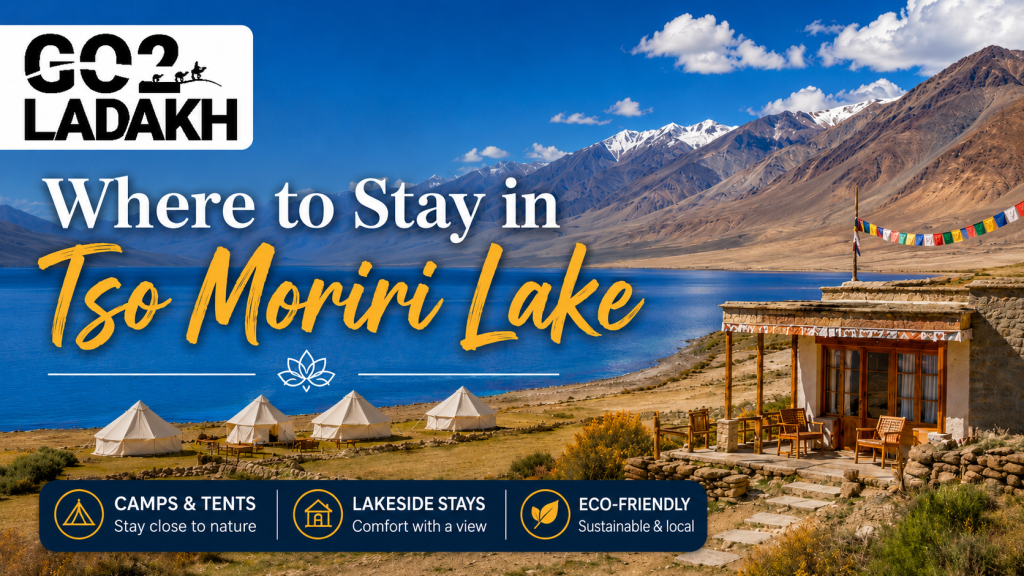
Where you stay at Tso Moriri matters in a way that is different from any other destination in Ladakh. This is not a question of choosing between a good and a better hotel. It is a question of understanding what kind of experience you want from one of the most remote overnight stops in India, and being honest with yourself about what you can comfortably handle at an altitude of 4,500+ metres with no mobile network, no ATM, and temperatures that plunge to 0°C or below every night, even in July.
Where to Stay in Jispa: Best Hotels, Camps & Guide
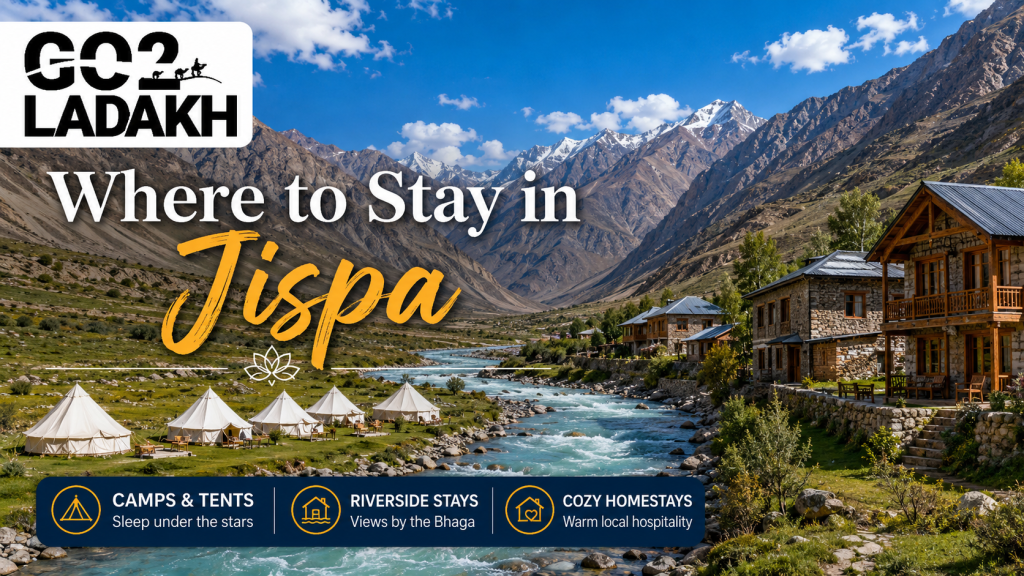
Jispa is one of those places that most people pass through without really stopping — and later wish they had stayed longer. This quiet, compact village in the Lahaul Valley of Himachal Pradesh sits on the banks of the Bhaga River at 3,200 metres (10,500 feet), with snow-streaked peaks rising on every side and a silence so complete that you can hear the river from anywhere in the village.
Where to Stay in Sarchu: Best Camps, Hotels & Complete Guide
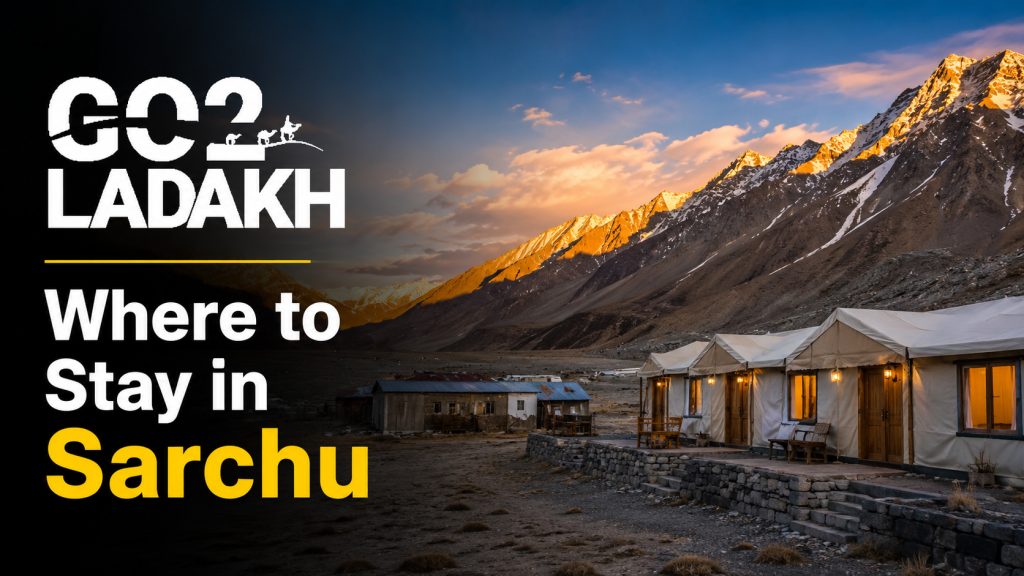
Planning the complete Manali to Leh road trip? Go2Ladakh.in builds end-to-end Manali–Leh itineraries with curated overnight stops at Jispa or Sarchu, Leh hotel bookings, and real-time road status updates.
Adventure in Ladakh: Top 12 Sports & Activities Guide
Ladakh is not just a destination , it is an experience that pushes your limits, rewards your courage, and leaves you with memories that last a lifetime. Perched at an average altitude of 3,500 metres in the lap of the Himalayas and the Karakoram Range, adventure in Ladakh comes in every form imaginable , from roaring glacial rivers and ancient trekking trails to high-altitude cycling, traditional archery, and even bungee jumping over the Zanskar River.
Mountain Biking in Ladakh: Top Routes, Tips & Complete Guide 2026
Mountain biking in Ladakh is one of those experiences that sits in a category of its own , not just in India, but anywhere on earth.
You are pedalling through a high-altitude cold desert at 3,500 to 5,000 metres, with glaciated peaks on every horizon, ancient monasteries on cliff faces above you, and roads so quiet that the sound of your own tyres on gravel is the loudest thing for miles. The landscape is dramatic in a way that no photograph fully captures. The air is thin. The climbs are genuinely hard. The descents are the kind that make experienced riders stop to catch their breath and take it all in.